
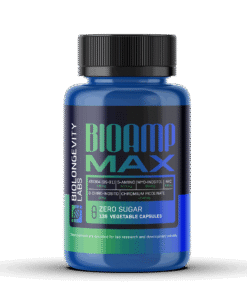
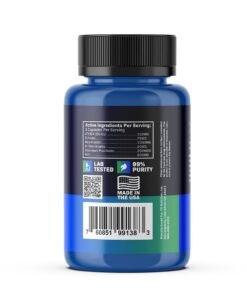
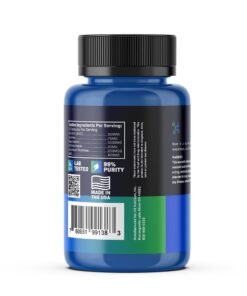
Buy BioAmpMax
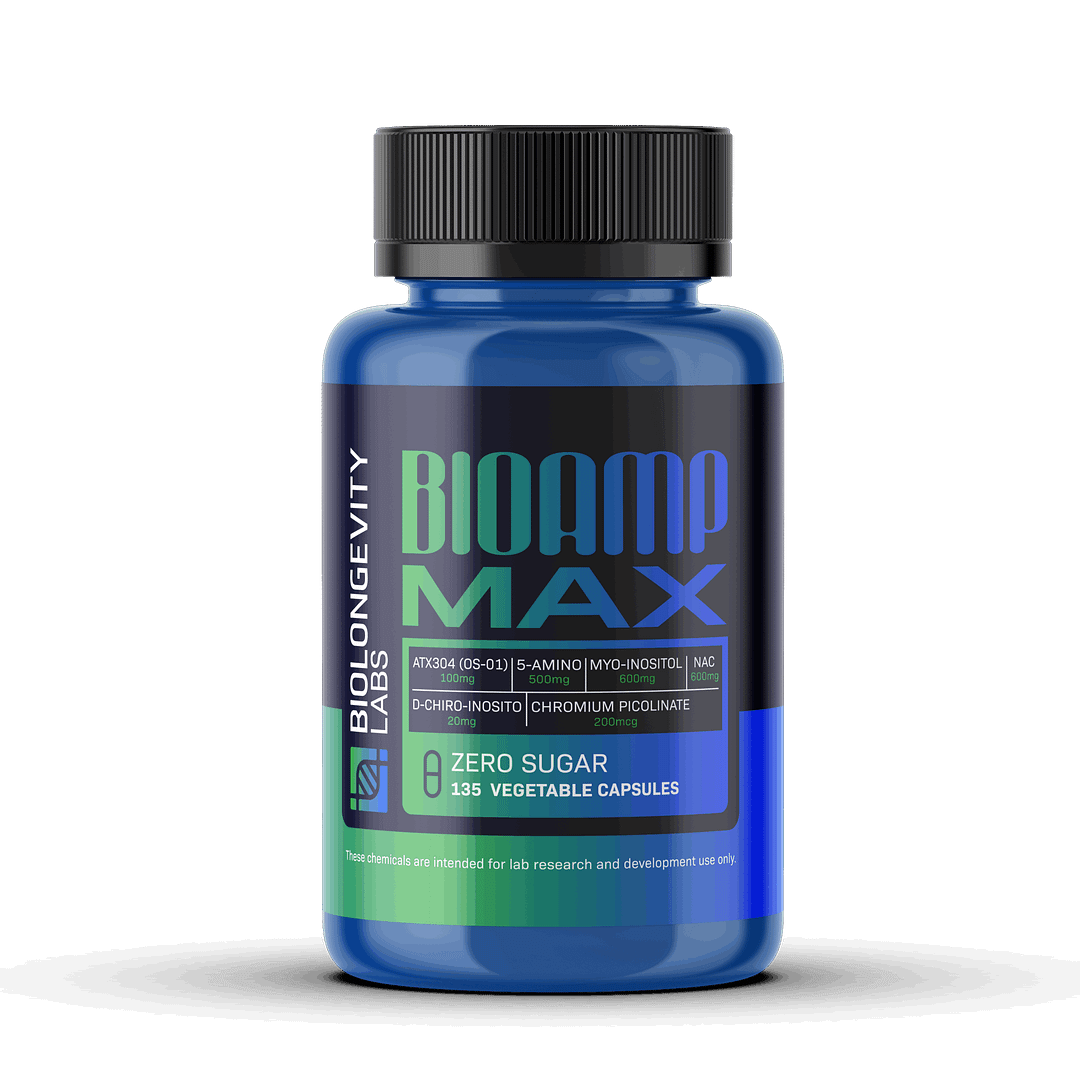
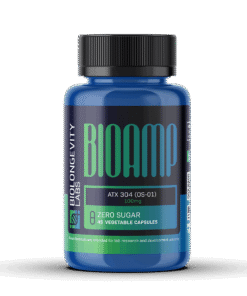
BioAmpMax
Together they are designed to:
- Amplify glucose disposal & insulin sensitivity through direct AMPK activation (ATX-304) and NNMT inhibition (5-Amino-1MQ), plus enhanced insulin signaling via myo- and D-chiro-inositol.
- Improve lipid & endothelial health by reducing adiposity, supporting healthy LDL-C, lowering blood pressure, and boosting nitric-oxide–mediated vascular function.
- Enhance mitochondrial energy metabolism via AMPK-driven biogenesis (ATX-304) and NAD⁺ preservation (5-Amino-1MQ), fostering efficient fuel utilization.
- Support inositol-mediated insulin signaling & glycogen synthesis with myo-inositol and D-chiro-inositol in a physiological ratio for optimized glucose handling.
- Restore redox balance & quell inflammation through glutathione replenishment and antioxidant activity (N-acetylcysteine).
These complementary mechanisms make BioAmpMax a promising research candidate for studies of metabolic syndrome, cardiometabolic wellness, and healthy aging.
BioAmpMax Structure
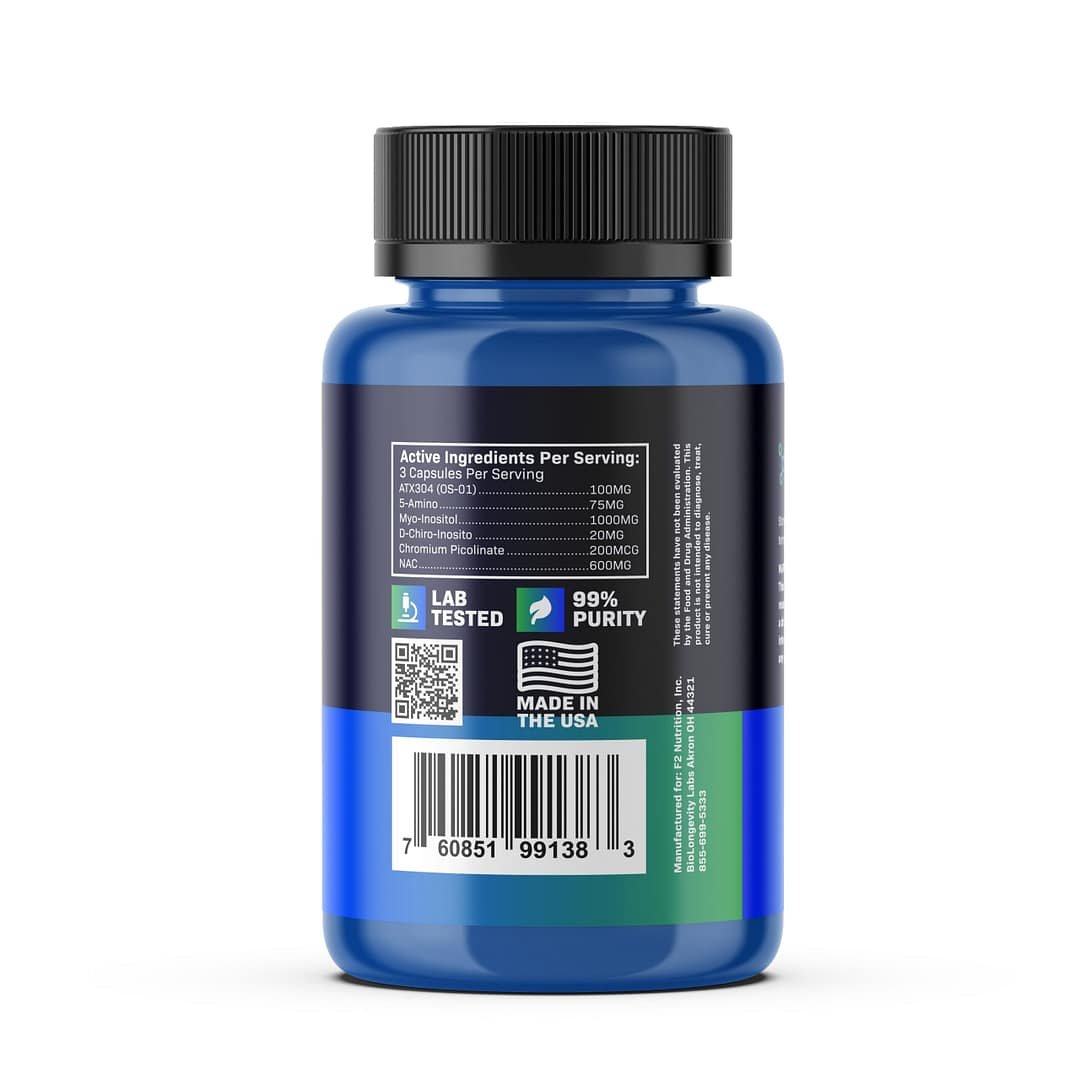
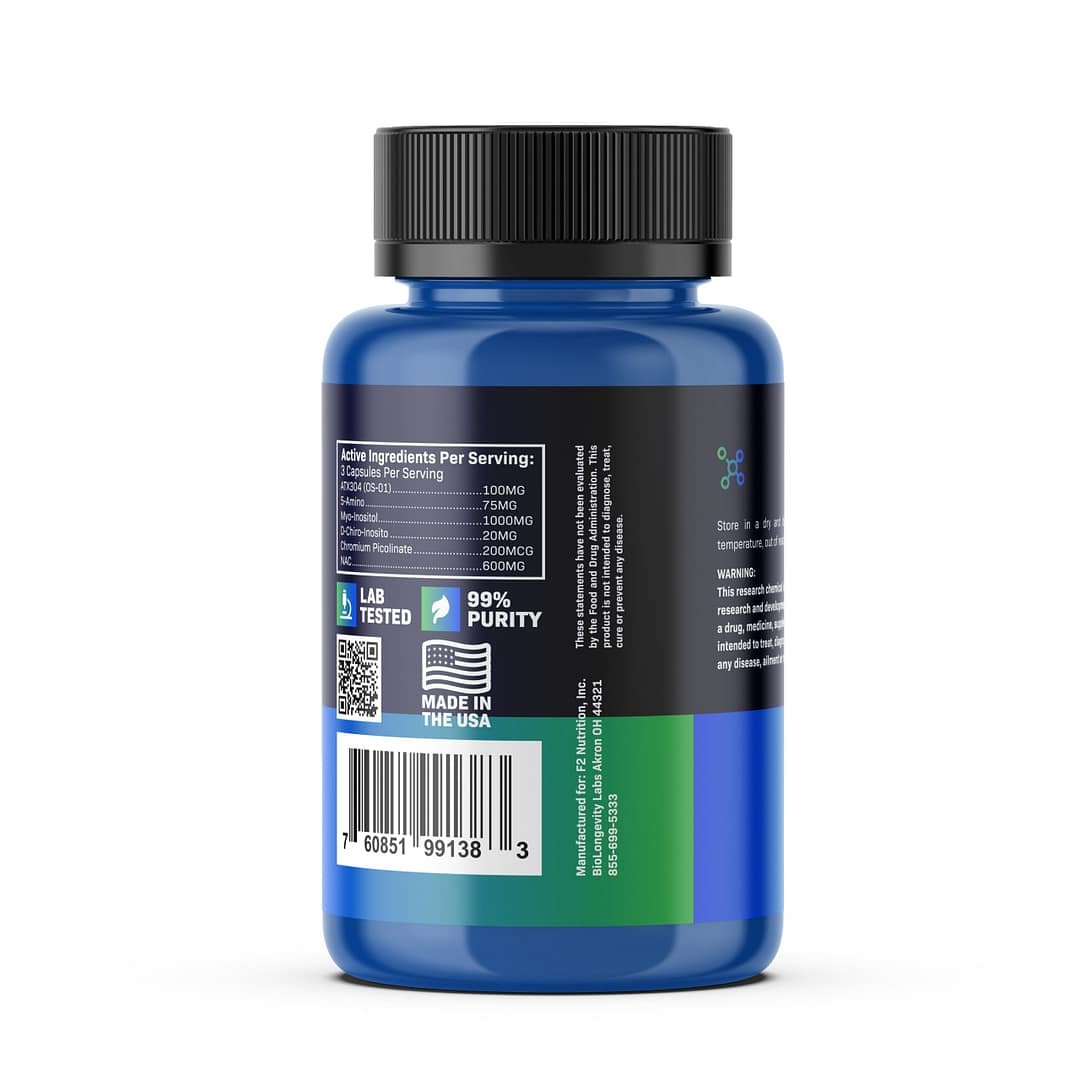
| Ingredient | Dose | Key Actions |
| ATX-304 (OS-01) | 100 mg | Pan-AMPK activation; mimics exercise to improve insulin sensitivity & glucose uptake [1] |
| 5-Amino-1MQ | 75 mg | NNMT inhibition; raises NAD⁺, enhances fat oxidation & insulin responsiveness [2] |
| Myo-Inositol | 1000 mg | Insulin-signaling mediator; lowers fasting insulin & HOMA-IR in humans [3][6] |
| D-Chiro-Inositol | 20 mg | Insulin-mimetic isomer; promotes glycogen synthesis & post-prandial glucose disposal [5] |
| Chromium Picolinate | 200 µg | Insulin-receptor cofactor; modestly improves glycemic control & lipid parameters [7][8] |
| N-Acetylcysteine (NAC) | 600 mg | Glutathione precursor; reduces oxidative stress & inflammation, enhances endothelial NO [9] |
Research Areas
- Glucose Disposal & Insulin Sensitivity
- Lipid & Endothelial Support
- Mitochondrial & Energy Metabolism
- Inositol Signaling & Glycogen Synthesis
- Redox Balance & Anti-inflammatory Support
Glucose Disposal & Insulin Sensitivity
ATX-304 directly activates AMPK in liver and muscle, suppressing gluconeogenesis and potentiating insulin-stimulated glucose uptake—demonstrated by reduced fasting glucose and HOMA-IR in type 2 diabetic patients on metformin [1]. 5-Amino-1MQ, an NNMT inhibitor, boosted NAD⁺ in obese mice, leading to a ~50 % reduction in fasting insulin and improved glucose tolerance [2]. Myo-inositol supplementation (2 g/day) in humans lowers fasting insulin and HOMA-IR by ~2 points, with significant reductions in post-OGTT glucose excursions [3][6].
Lipid & Endothelial Support
5-Amino-1MQ–treated obese mice saw a ~30 % decrease in fat mass and normalization of cholesterol to lean levels without altering food intake, indicating enhanced fat oxidation [2]. Chromium picolinate (200–1000 µg) yields modest triglyceride and LDL-C reductions in insulin-resistant individuals [7][8]. NAC supplementation (1.2 g/day) in metabolic syndrome patients lowered hsCRP by ~13 %, reduced systolic blood pressure by 5 mmHg, and improved HDL levels, highlighting anti-inflammatory and endothelial benefits [9].
Mitochondrial & Energy Metabolism
ATX-304 functions as an exercise mimetic: in aged mice it enhanced cardiac output, microvascular perfusion, and exercise capacity—effects attributed to AMPK-driven mitochondrial biogenesis [1][2]. By inhibiting NNMT, 5-Amino-1MQ preserves NAD⁺ pools, activating sirtuin pathways that support mitochondrial function [2]. NAC’s antioxidative action protects mitochondrial integrity under metabolic stress, evidenced by normalized mitochondrial respiration in diabetic rodent models [9].
Inositol Signaling & Glycogen Synthesis
Myo-inositol acts as a secondary messenger in insulin pathways, improving insulin sensitivity across trials with fasting insulin and HOMA-IR reductions [3][6]. D-chiro-inositol at 1,200 mg/day for 6 weeks in insulin-resistant women lowered insulin AUC by ~60 % and restored ovulation in 86 % of subjects, demonstrating potent glycogen-synthesis and insulin-mimetic actions [5].
Redox Balance & Anti-inflammatory Support
NAC replenishes glutathione, mitigating oxidative stress underlying insulin resistance. In metabolic syndrome patients, 6 weeks of NAC (1,200 mg/day) reduced HOMA-IR by ~18 % and hsCRP by ~13 % [9].
References
- AMPK activated protein kinase in T2D: https://pubmed.ncbi.nlm.nih.gov/29925691/
- Age-related effects & obesity in mice: https://www.nature.com/articles/s41598-021-85051-6
- JCI insight on liver disease & AMPK: https://insight.jci.org/articles/view/179990/
- Obesity & ATX-304 in diet-induced obese mice: https://www.nature.com/articles/s42003-021-02837-0
- D-chiro-inositol PCOS trial: https://pubmed.ncbi.nlm.nih.gov/10219066/
- Myo-inositol glycemic effects: https://pmc.ncbi.nlm.nih.gov/articles/PMC8896029/
- Chromium review (LPI): https://lpi.oregonstate.edu/mic/minerals/chromium
- Chromium meta-analysis: https://pubmed.ncbi.nlm.nih.gov/32730903/
- NAC in metabolic syndrome & inflammation:https://pubmed.ncbi.nlm.nih.gov/32552298/
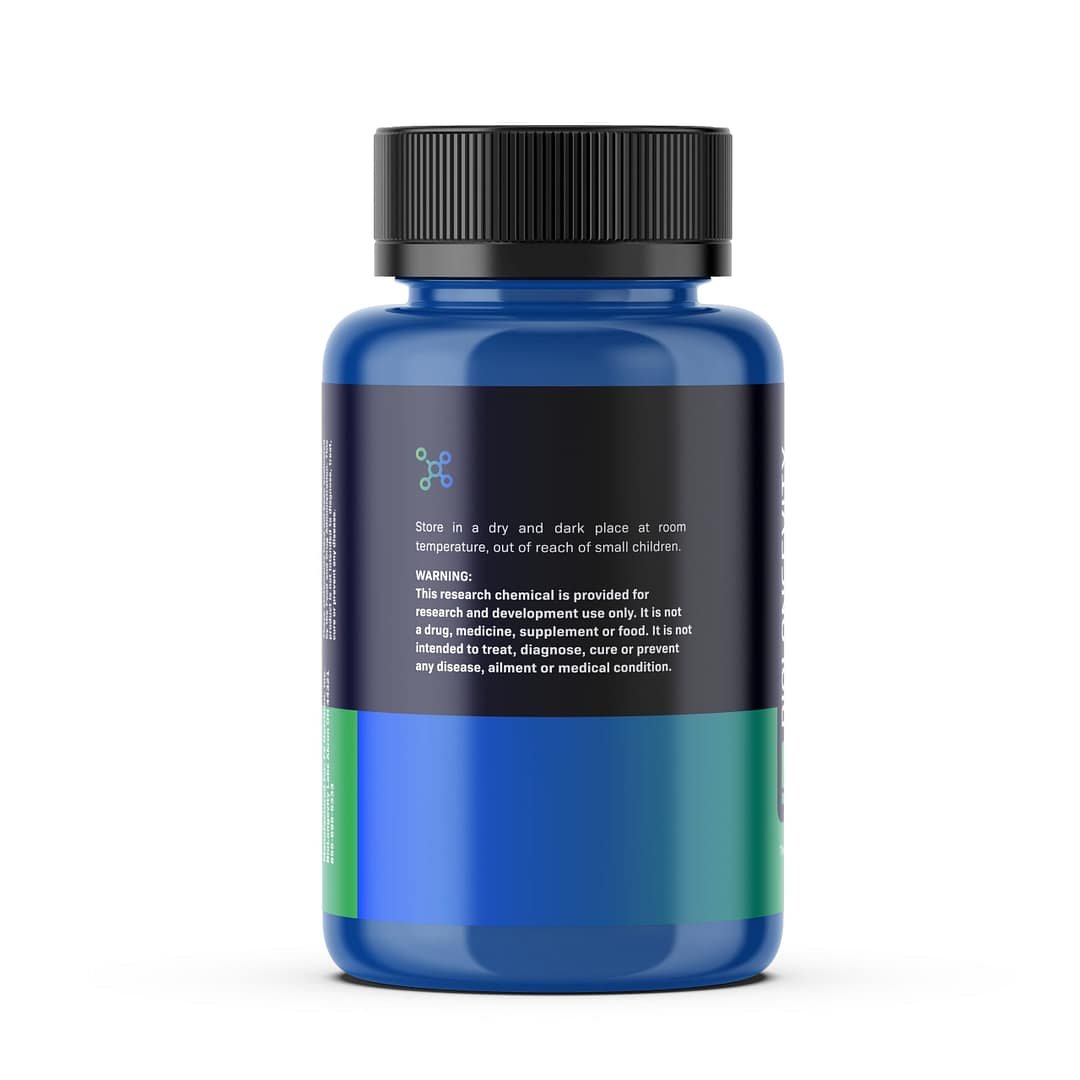
Note: BioAmpMax is supplied strictly for investigational research use only. It is not approved or intended for diagnostic or therapeutic applications in humans or animals.
No COAs available for this product.
Disclaimer: For Research Purposes Only
This content is provided strictly for research purposes and does not constitute an endorsement or recommendation for the non-laboratory application or improper handling of peptides designed for research. The information, including discussions about specific peptides and their researched benefits, is presented for informational purposes only and must not be construed as health, clinical, or legal guidance, nor an encouragement for non-research use in humans. Peptides described here are solely for use in structured scientific study by authorized individuals. We advise consulting with research experts, medical practitioners, or legal counsel prior to any decisions about obtaining or utilizing these peptides. The expectation of responsible, ethical utilization of this information for legitimate investigative and scholarly objectives is paramount. This notice is dynamic and governs all provided content on research peptides. . .
Related products
Peptide Capsules