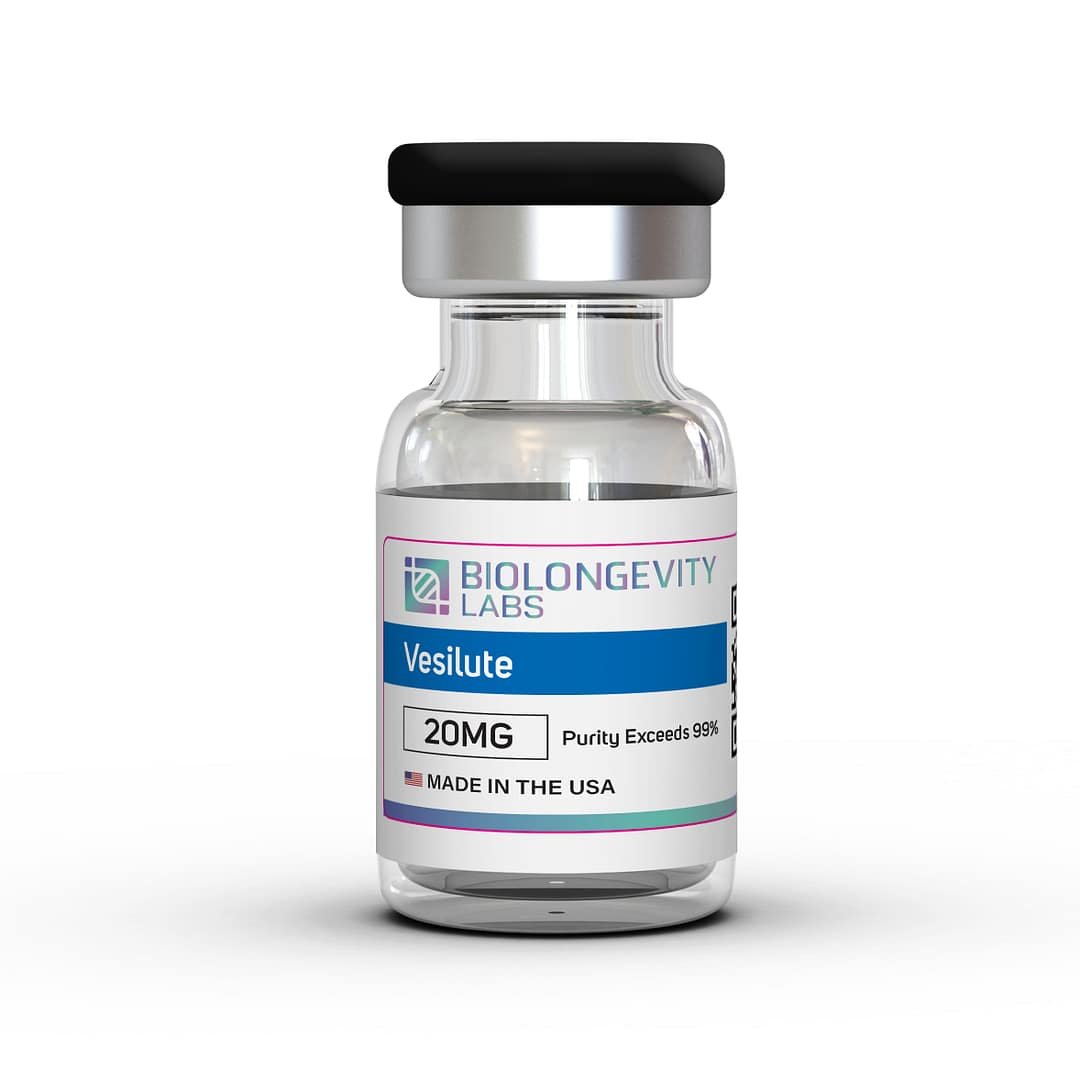
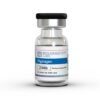
Buy Vesilute Peptide (20mg)
Vesilute Peptide Description
Vesilut functions as a Khavinson peptide bioregulator designed for laboratory research use in urinary system studies. This Glu-Asp dipeptide enables researchers to investigate cellular regulation mechanisms affecting bladder function and prostate tissues through in vitro applications.
Laboratory studies examine how this bioregulator peptide interacts with smooth muscle function, blood flow regulation, and biochemical processes linked to chronic cystitis, benign prostatic hyperplasia, and prostatitis research models. Vesilute offers research teams high-purity material for studying urinary tract cellular dynamics and prostate gland regulatory pathways.
Peptide Information
| Property | Value |
|---|---|
| Peptide Sequence | H-Glu-Asp-OH |
| Molecular Formula | C₉H₁₄N₂O₇ |
| Molecular Weight | 262.20 g/mol |
| CAS Number | 3918-84-1 |
| PubChem CID | 99716 |
Vesilut (Glu-Asp) Research
Vesilut peptide is a Glu-Asp dipeptide bioregulator that has attracted research interest for its potential effects on urogenital tissue function. Studies have examined this Khavinson peptide’s mechanisms in laboratory models and clinical research settings focused on bladder and smooth muscle regulation.
Urogenital Function Mechanisms
Russian clinical studies have examined Vesilute’s effects on overactive bladder syndrome through neuromodulation of bladder function[1]. The proposed mechanism involves modulating neuromuscular signaling and acting as co-mediators released from nerve endings alongside classical neurotransmitters[2].
Bladder Smooth Muscle Research
Experimental animal studies demonstrated Vesilute’s ability to normalize detrusor contractility parameters in rat models with infravesical obstruction. The peptide influences bladder smooth muscle function and neural control mechanisms governing micturition[1].
Clinical Bladder Function Studies
Prospective research involving 20 women with overactive bladder syndrome showed statistically significant improvements following Vesilute treatment. Clinical research demonstrated increased maximum cystometric capacity from 267 mL to 320 mL, representing enhanced bladder storage capacity[1].
The study documented reduction in daytime urination frequency from 14 episodes to 11 episodes daily. Research showed decreased episodes of urgent incontinence and nocturia episodes dropping from 4 to 2 per night[1].
Bioregulatory Peptide Framework
Vesilute belongs to peptide bioregulators or cytamins, which are extracted from animal tissues and have tissue-specific regulatory effects. These peptides work through peptide signaling pathways that influence cellular function and tissue homeostasis[3].
The bioregulatory approach suggests these peptides may influence gene expression, protein synthesis, and cellular communication within target tissues. This potentially explains the observed effects on bladder function through molecular mechanisms.
Dipeptide Research Context
Research on dipeptides shows they can have significant biological activity and may serve as amino acid donors in physiological systems[4]. Studies demonstrate that dipeptides like Glu-Asp are present in biological fluids and may influence amino acid metabolism and cellular function.
The Glu-Asp dipeptide has been identified in various biological contexts, including exercise performance enhancement and metabolic regulation applications[3].
This peptide is intended for laboratory research use only.
References
- G. V. Kovalev, I. A. Labetov, R. R. Shakirova, and D. D. Shkarupa, “The peptide regulator Vezusten in the management of overactive bladder syndrome: an efficacy evaluation,” Rostov State Medical University, Sep. 2024. doi: 10.21886/2308-6424-2024-12-4-50-56. Available: https://doi.org/10.21886/2308-6424-2024-12-4-50-56
- O. V. Yamskova, M. S. Krasnov, E. V. Sidorsky, and V. I. Lozinsky, “Influence of protein-peptide bioregulator isolated from bovine sclera and incorporated into an albumin-based cryogel on the sclera in a model cultivation of a posterior eye segment,” V.I. Shimakov Federal Research Center of Transplantology and Artificial Organs, Jul. 2023. doi: 10.15825/1995-1191-2023-2-118-128. Available: https://doi.org/10.15825/1995-1191-2023-2-118-128
- K. Küper et al., “Dipeptides in CSF and plasma: diagnostic and therapeutic potential in neurological diseases,” Springer Science and Business Media LLC, Dec. 2024. doi: 10.1007/s00726-024-03434-1. Available: https://doi.org/10.1007/s00726-024-03434-1
- Y.-F. Kao et al., “Development of functional foods from grouper fish-bone residues to enhance muscle strength and exercise endurance in mice,” Frontiers Media SA, Dec. 2024. doi: 10.3389/fsufs.2024.1483028. Available: https://doi.org/10.3389/fsufs.2024.1483028
No COAs available for this product.
Disclaimer: For Research Purposes Only
This content is provided strictly for research purposes and does not constitute an endorsement or recommendation for the non-laboratory application or improper handling of peptides designed for research. The information, including discussions about specific peptides and their researched benefits, is presented for informational purposes only and must not be construed as health, clinical, or legal guidance, nor an encouragement for non-research use in humans. Peptides described here are solely for use in structured scientific study by authorized individuals. We advise consulting with research experts, medical practitioners, or legal counsel prior to any decisions about obtaining or utilizing these peptides. The expectation of responsible, ethical utilization of this information for legitimate investigative and scholarly objectives is paramount. This notice is dynamic and governs all provided content on research peptides. . .
Related products
Peptides