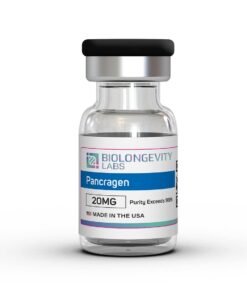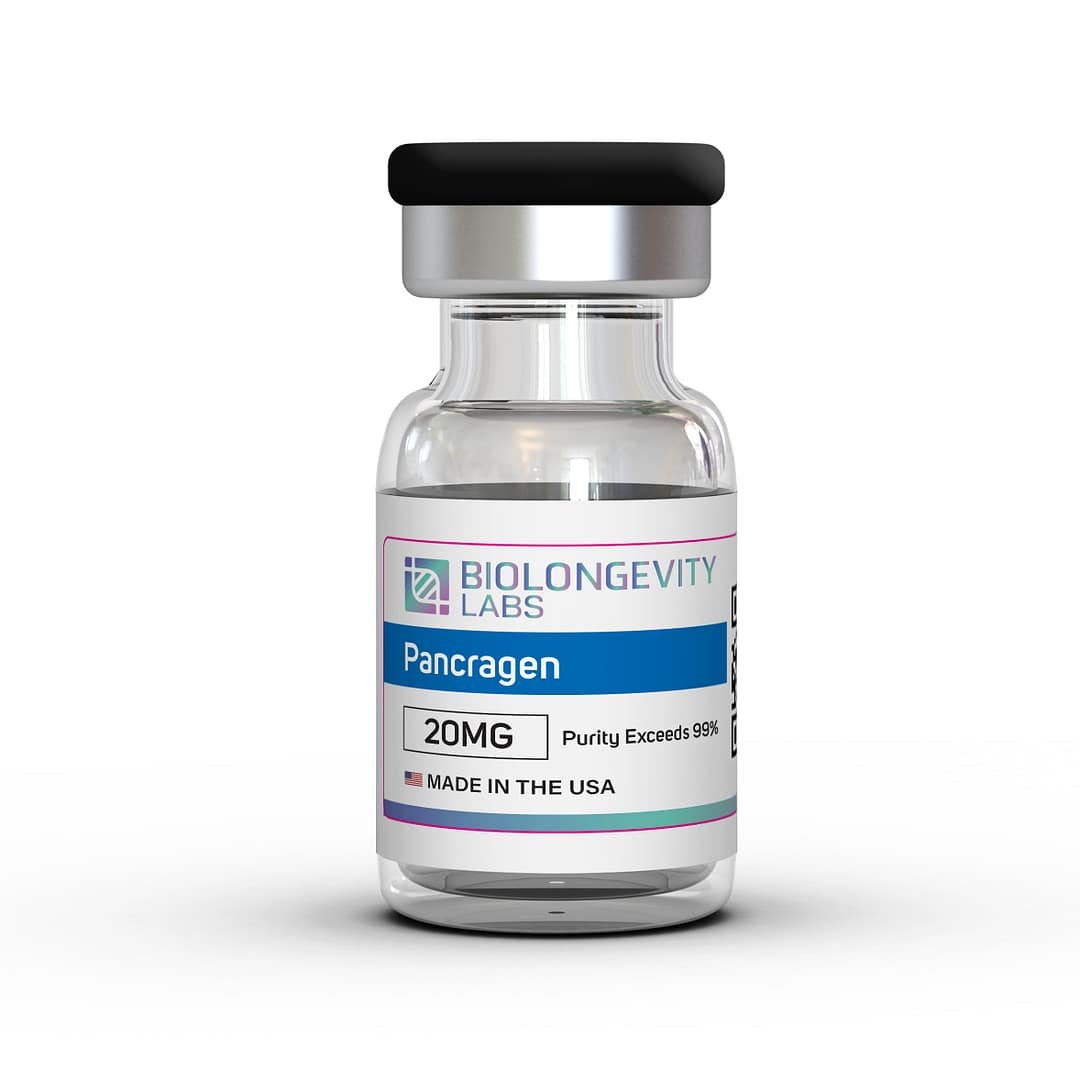
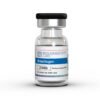
Buy Pancragen Peptide (20mg)
Pancragen Peptide Description
Pancragen peptide is a targeted bioregulator for pancreatic research applications. This tetrapeptide targets pancreatic cell function studies, including glucose metabolism and endocrine pathway investigations.
Research initiated by Khavinson reveals Pancragen’s selective effects on pancreatic function in laboratory settings. The peptide bioregulator benefits metabolic research protocols examining insulin pathways.
Each batch undergoes thorough testing to meet research standards. Lyophilized formulation maintains stability for pancreatic cell culture applications. Research use only.
Peptide Information
| Property | Value |
|---|---|
| Peptide Sequence | H-Lys-Glu-Asp-Trp-OH |
| Molecular Formula | C₂₆H₃₆N₆O₉ |
| Molecular Weight | 576.25 g/mol |
| PubChem CID | 68452887 |
Lyophilized Peptides:
These peptides are freeze-dried, a process that not only extends shelf life but also preserves the purity and integrity of the peptides during storage. We do not use any fillers in this process.
Product Usage:
This PRODUCT IS INTENDED AS A RESEARCH CHEMICAL ONLY. This designation allows the use of research chemicals strictly for in vitro testing and laboratory experimentation only. All product information available on this website is for educational purposes only. This product should only be handled by licensed, qualified professionals. This product is not a drug, food, or cosmetic and may not be misbranded, misused or mislabeled as a drug.
Pancragen Research
Pancragen (KEDW) is a tetrapeptide bioregulator that directly interacts with DNA to regulate pancreatic gene expression and cellular development. Research demonstrates its unique mechanisms in glucose metabolism, stem cell differentiation, and age-related pancreatic function restoration.
Gene Expression and DNA Interaction
Pancragen peptide binds directly to DNA along the major groove, creating stable peptide-DNA complexes that regulate gene transcription. This binding mechanism enables precise interaction with regulatory elements controlling pancreatic cell development[1].
The peptide increases expression of critical pancreatic genes including PDX1, NGN3, PAX6, FOXA2, NKX2-2, NKX6.1, and PAX4. These transcription factors represent fundamental regulators of pancreatic endocrine cell fate and β-cell development[1].
Physical spectroscopy and molecular modeling confirm that Pancragen forms three-dimensional stable complexes with DNA through specific binding interactions. This mechanism suggests the peptide functions as an epigenetic modulator influencing chromatin accessibility and transcriptional programs[1].
Metabolic Function Research
Clinical research demonstrates that Pancragen reduces plasma glucose levels during fasting and oral glucose tolerance tests in elderly patients with type 2 diabetes. The metabolic benefits persist for at least two weeks after treatment cessation in approximately 60% of patients[2].
The peptide enhances insulin sensitivity by decreasing HOMA insulin resistance index values. This improvement occurs particularly in patients with high baseline insulin resistance and hyperinsulinemia[2].
Glucose-lowering effects have been confirmed in both streptozotocin-induced and alloxan-induced diabetes models. These different experimental diabetes models indicate that Pancragen’s effects operate through multiple pathways rather than targeting a single aspect of glucose homeostasis.
Stem Cell and Regenerative Applications
Pancragen modulates stem cell fate in tissue engineering applications, directing differentiation toward pancreatic lineages including hepatocyte and endocrine cell types[3]. The peptide can cross cell membranes and interact with intracellular targets, making it useful for directing stem cell differentiation in three-dimensional culture systems.
The peptide’s biocompatibility and biodegradability position it as an ideal candidate for regenerative medicine applications. Its ability to self-assemble and create extracellular matrix-like environments makes it valuable for stem cell microenvironments that promote specific differentiation outcomes.
Developmental Biology
KEDW peptide regulates key developmental transcription factors crucial for pancreatic organogenesis. PDX1 upregulation is particularly significant, as PDX1 represents the earliest marker of pancreatic progenitor cells and is essential for proper pancreatic development[1].
The peptide enhances NGN3 (Neurogenin 3) expression, a transcription factor marking endocrine progenitor cells essential for all pancreatic endocrine cell types. These transcription factors work in hierarchical pathways to determine pancreatic cell fate specification[1].
Age-Related Function Research
Pancragen restores age-related disturbances in pancreatic endocrine function, particularly addressing metabolic decline in elderly populations. The aging pancreas undergoes morphological and functional changes that contribute to glucose homeostasis dysregulation[4].
The peptide’s effects involve restoration of cellular differentiation capacity that typically declines with age[5]. Clinical studies demonstrate sustained metabolic improvements that persist beyond the treatment period, suggesting long-term changes in pancreatic cell function[2].
References
- V. Kh. Khavinson, S. M. Tendler, N. A. Kasyanenko, and S. I. Tarnovskaya, “Tetrapeptide KEDW Interacts with DNA and Regulates Gene Expression,” New World Publishing International, Inc., Jul. 2015. doi: 10.5099/aj150300156. https://doi.org/10.5099/aj150300156
- O. V. Korkushko, V. B. Shatilo, W. H. Havinson, and I. A. Antonyuk-Shcheglova, “EFFICACY OF PANCRAGEN PEPTIDE IN ELDERLY PATIENTS WITH TYPE 2 DIABETES MELLITUS,” V.Danilevsky Institute for Endocrine Pathology Problems of NAMSU, Oct. 2010. doi: 10.21856/j-pep.2010.3.01. https://doi.org/10.21856/j-pep.2010.3.01
- R. Vishwanath, A. Biswas, U. Modi, S. Gupta, D. Bhatia, and R. Solanki, “Programmable short peptides for modulating stem cell fate in tissue engineering and regenerative medicine,” Royal Society of Chemistry (RSC), 2025. doi: 10.1039/d4tb02102a. https://doi.org/10.1039/d4tb02102a
- O. V. Korkushko, V. Kh. Khavinson, V. B. Shatilo, I. A. Antonyk-Sheglova, and E. V. Bondarenko, “Prospects of Using Pancragen for Correction of Metabolic Disorders in Elderly People,” Springer Science and Business Media LLC, Aug. 2011. doi: 10.1007/s10517-011-1354-4. https://doi.org/10.1007/s10517-011-1354-4
- V. Kh. Khavinson et al., “Effects of Pancragen on The Differentiation of Pancreatic Cells During Their Ageing,” Springer Science and Business Media LLC, Feb. 2013. doi: 10.1007/s10517-013-1987-6. https://doi.org/10.1007/s10517-013-1987-6
Endotoxin Pancragen

Pancragen 20 mg (11358)

Pancragen (251519)

Pancragen (251519E)
 ×
×
Disclaimer: For Research Purposes Only
This content is provided strictly for research purposes and does not constitute an endorsement or recommendation for the non-laboratory application or improper handling of peptides designed for research. The information, including discussions about specific peptides and their researched benefits, is presented for informational purposes only and must not be construed as health, clinical, or legal guidance, nor an encouragement for non-research use in humans. Peptides described here are solely for use in structured scientific study by authorized individuals. We advise consulting with research experts, medical practitioners, or legal counsel prior to any decisions about obtaining or utilizing these peptides. The expectation of responsible, ethical utilization of this information for legitimate investigative and scholarly objectives is paramount. This notice is dynamic and governs all provided content on research peptides. . .
Related products