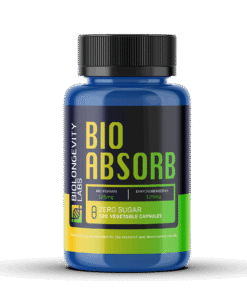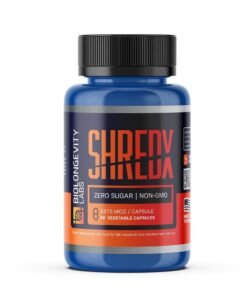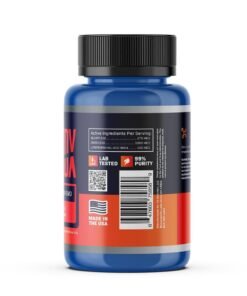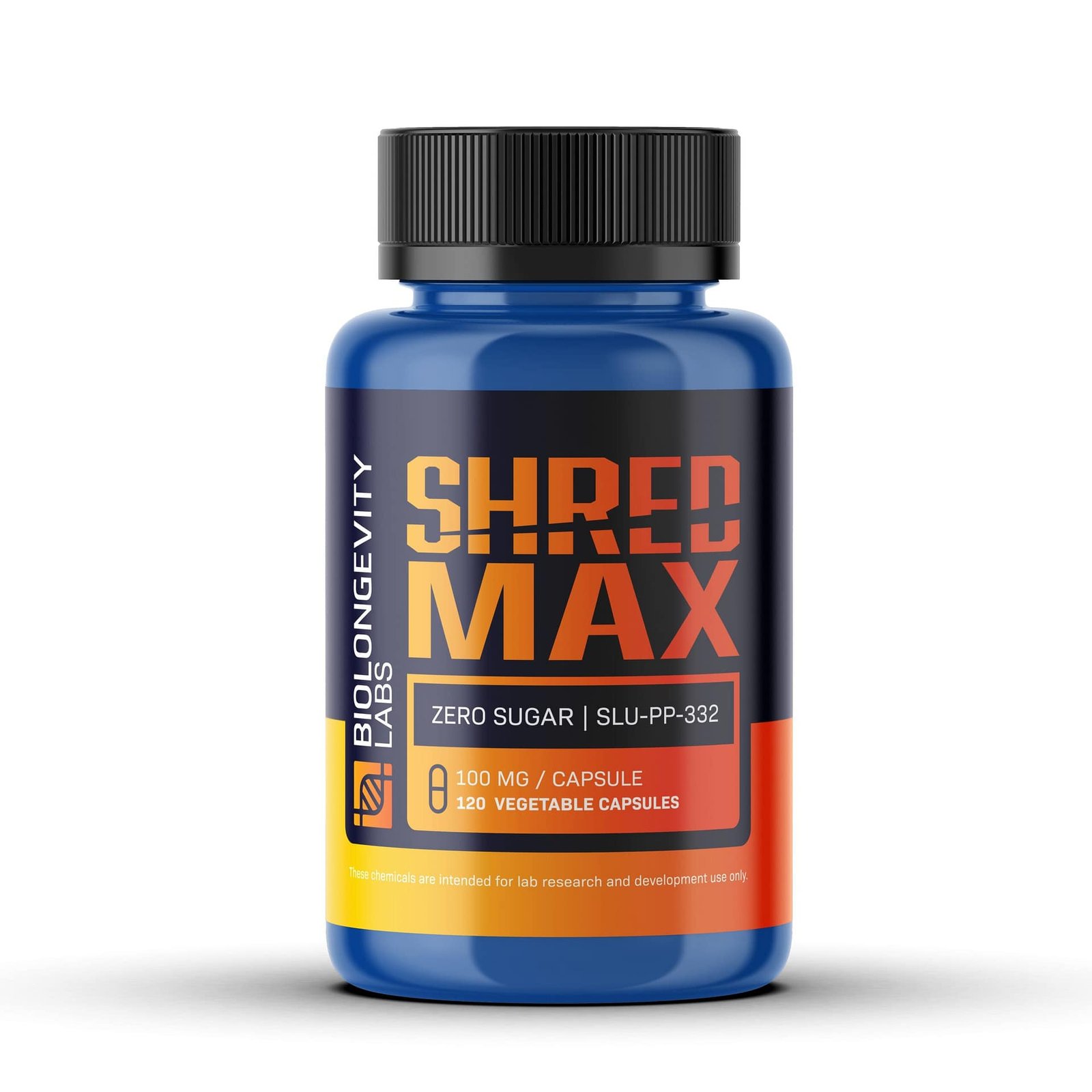

Buy ShredMAX – Slu-PP-332 (120 Capsules)
ShredMAX contains SLU-PP-332, a research-grade ERR receptor agonist that activates all three estrogen-related receptor subtypes – ERRα, ERRβ, and ERRγ – for laboratory investigation of mitochondrial pathways.
Research teams use this compound to study cellular respiration mechanisms and ERR-dependent metabolic signaling in vitro. The molecule shows measurable receptor activation across ERR subtypes in controlled laboratory conditions.
Produced under USA GMP standards with independent verification from three certified labs. COAs with every order. Strict research use only – not intended for human consumption.
Although various research chemical vendors offer SLU-PP-332 in doses of 1mg per capsule, a re-evaluation of doses used in mouse studies (50 mg/kg twice daily) has found this practice to be unsatisfactory for examining the compound in laboratory settings. Therefore, we are introducing ShredMAX at 100mg per capsule to correct for this misinterpretation.
SLU-PP-332 Specifications
| Property | Value |
|---|---|
| Molecular Formula | C18H14N2O2 |
| Molecular Weight | 290.32 g/mol |
| CAS Number | 303760-60-3 |
| PubChem CID | 5338394 |
| Synonyms | (E)-4-Hydroxy-N’-(naphthalen-2-ylmethylene)benzohydrazide, 4-Hydroxybenzoic acid 2-(2-naphthalenylmethylene)hydrazide, ERR pan-Agonist 332, SR9861, SLU-PP, SLUPP332 |
SLU-PP-332 Research Applications
SLU-PP-332 is a synthetic small molecule that functions as a pan-agonist of estrogen-related receptors (ERRα, ERRβ, and ERRγ), which regulate genes involved in cellular energy metabolism.
Receptor Binding and Activation
SLU-PP-332 activates ERRα at 98 nM, ERRβ at 230 nM, and ERRγ at 430 nM, showing approximately 4-fold selectivity for ERRα. The compound binds directly to the ligand-binding domain of ERR receptors, where molecular modeling shows the naphthalene group makes π-π stacking interactions with phenylalanine residues[1].
ERR receptors recognize specific DNA sequences called ERR response elements (ERREs) in gene promoter regions. The compound increases transcriptional activity at these sites, upregulating genes involved in mitochondrial function and metabolic pathways[1].
Skeletal Muscle Research Applications
Treatment of C2C12 myoblasts with SLU-PP-332 for 24 hours increases maximal mitochondrial respiration capacity and mitochondrial biogenesis. Electron microscopy confirms increased mitochondrial density and elevated mitochondrial DNA copy numbers[1].
The compound increases expression of oxidative phosphorylation complex proteins, including NDUFB8, ATP5A, and cytochrome c. Succinate dehydrogenase (SDH) activity increases, indicating enhanced oxidative capacity in muscle tissue[1].
Acute Exercise Gene Program
RNA sequencing reveals that SLU-PP-332 activates genes transiently induced by aerobic exercise in both rodents and humans. DDIT4 (DNA Damage Inducible Transcript 4) shows the most prominent upregulation across muscle types[1].
DDIT4 expression rises within 1-3 hours and returns to baseline by 6 hours, mimicking natural exercise kinetics. This gene acts as an mTOR inhibitor and coordinates metabolic adaptations to acute physical activity[2].
Additional genes in this program include SLC25A25 (ATP-Mg²⁺/phosphate mitochondrial transporter), Period 1 and 2 (circadian clock genes), and Foxo1 (metabolic regulation transcription factor). Comparisons with human muscle tissue following cycling exercise show substantial overlap in gene expression patterns[1].
Tissue-Specific ERR Dependency
In skeletal muscle, effects on exercise genes are mediated primarily through ERRα. Primary myocytes from muscle-specific ERRα knockout mice fail to induce DDIT4 and SLC25A25 in response to SLU-PP-332[1].
Cardiac tissue shows greater ERRγ dependency. Studies using cardiac-specific ERRγ knockout mice confirm that ERRγ mediates metabolic gene activation and cardioprotective effects in heart failure models[3].
Cardiac Metabolic Pathways
RNA sequencing of heart tissue shows upregulation of genes encoding fatty acid metabolism enzymes (Acsl1, Cpt1b, Acadm, Hadhb), TCA cycle components (Sdhb, Aco2), and electron transport chain subunits (Cox6a2, Atp5g1). siRNA knockdown experiments confirm ERRγ as the primary mediator in cardiac cells[3].
Functional assessments show SLU-PP-332 preserves state III respiration and uncoupled respiration in isolated cardiac mitochondria. Cultured cardiomyocytes display increased maximal respiratory capacity and enhanced oxygen consumption following palmitate addition[3].
Metabolic Effects
Metabolic cage studies demonstrate that SLU-PP-332 decreases respiratory exchange ratio within 2 hours, indicating a shift from carbohydrate to fat as the primary fuel source. Fatty acid oxidation increases approximately 25% compared to vehicle-treated animals[4].
Resting energy expenditure rises without changes in locomotor activity or food intake. This mimics the metabolic elevation observed during recovery following physical activity[4].
Mitochondrial Biogenesis
Chronic administration increases mitochondrial content in skeletal muscle, confirmed through increased MitoTracker Red staining intensity. Muscle fiber composition shifts toward more oxidative type IIa fibers with higher mitochondrial density[1].
The compound upregulates genes encoding structural and enzymatic components of the oxidative phosphorylation system with sustained elevation during chronic treatment. This contrasts with transient acute exercise genes that return to baseline within hours[3].
Molecular Structure and Selectivity
SLU-PP-332 was developed through structure-based modification of ERRβ/γ selective agonist GSK4716. Replacing the isopropyl phenyl group with a naphthalene moiety created π-π stacking interactions with Phe328 in ERRα, achieving approximately 50-fold improved ERRα potency[1].
The compound displays selectivity for ERR receptors over estrogen receptors α and β despite structural homology. No activity is observed at other nuclear receptors or G protein-coupled receptors tested in selectivity panels[1].
Cellular Stress Response
SLU-PP-332 induces mild upregulation of autophagy-related genes in cardiomyocytes, increasing LC3-II incorporation into autophagosomal membranes. Changes in p62/SQSTM1 levels indicate increased autophagic flux[3].
DDIT4 upregulation suppresses mTOR complex 1 signaling through TSC2 activation. This temporarily reduces protein synthesis and cell growth while promoting autophagy and metabolic remodeling[2].
Research Applications
SLU-PP-332 provides research laboratories with a tool for investigating ERR-mediated transcriptional programs in vitro. The compound’s tissue-specific ERR isoform dependencies make it useful for examining how different ERR subtypes regulate cellular metabolism.
References
- Billon C, Sitaula S, Banerjee S, Welch R, Elgendy B, Hegazy L, et al. Synthetic ERRα/β/γ Agonist Induces an ERRα-Dependent Acute Aerobic Exercise Response and Enhances Exercise Capacity. American Chemical Society (ACS); 2023. https://doi.org/10.1021/acschembio.2c00720
- Zhidkova EM, Lylova ES, Grigoreva DD, Kirsanov KI, Osipova AV, Kulikov EP, et al. Nutritional Sensor REDD1 in Cancer and Inflammation: Friend or Foe?. MDPI AG; 2022. https://doi.org/10.3390/ijms23179686
- Xu W, Billon C, Li H, Wilderman A, Qi L, Graves A, et al. Novel Pan-ERR Agonists Ameliorate Heart Failure Through Enhancing Cardiac Fatty Acid Metabolism and Mitochondrial Function. Ovid Technologies (Wolters Kluwer Health); 2024. https://doi.org/10.1161/circulationaha.123.066542
- Billon C, Schoepke E, Avdagic A, Chatterjee A, Butler AA, Elgendy B, et al. A Synthetic ERR Agonist Alleviates Metabolic Syndrome. Elsevier BV; 2024. https://doi.org/10.1124/jpet.123.001733
No COAs available for this product.
Disclaimer: For Research Purposes Only
This content is provided strictly for research purposes and does not constitute an endorsement or recommendation for the non-laboratory application or improper handling of peptides designed for research. The information, including discussions about specific peptides and their researched benefits, is presented for informational purposes only and must not be construed as health, clinical, or legal guidance, nor an encouragement for non-research use in humans. Peptides described here are solely for use in structured scientific study by authorized individuals. We advise consulting with research experts, medical practitioners, or legal counsel prior to any decisions about obtaining or utilizing these peptides. The expectation of responsible, ethical utilization of this information for legitimate investigative and scholarly objectives is paramount. This notice is dynamic and governs all provided content on research peptides. . .
| weight,count |
|---|
Related products